
The Importance of Diversity in Senior Living
Diversity is more than a trend—it’s a foundational element of a vibrant, fulfilling senior living experience. At Clarendale Clayton, we understand the importance of diversity in senior living and how it enhances connection, enriches community life, and supports whole-person wellness.
By embracing representation, inclusion, and equity, senior living communities foster environments where every resident feels respected, valued, and truly at home.
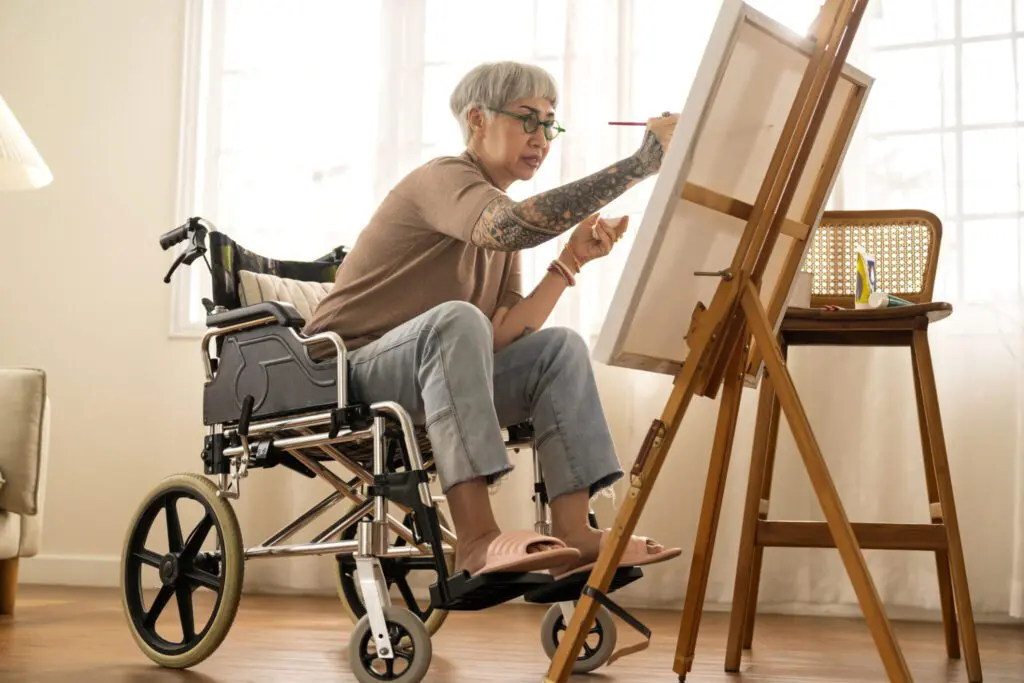
What Does the Importance of Diversity in Senior Living Mean?
Diversity in senior living goes far beyond demographics. Let's take a look at what diversity really means in today’s communities and how inclusion and equity ensure that residents can thrive—regardless of their backgrounds or life experiences.
The importance of diversity in senior living includes a range of characteristics:
- Age
- Race and ethnicity
- Religion and spiritual beliefs
- Language
- Cultural practices
- Sexual orientation and gender identity
- Physical and cognitive abilities
- Socioeconomic backgrounds
Inclusion ensures all residents feel welcome, heard, and engaged, not just present. Equity goes a step further, ensuring everyone has access to services, resources, and opportunities that meet their needs in a fair and meaningful way.
The Benefits of Representation in Senior Living
When retirement communities reflect the importance of diversity in senior living to the residents they serve, everyone benefits. Representation matters—not only in appearance but also in leadership, programming, and caregiving. The following areas show how the importance of diversity in senior living leads to stronger, more connected communities.
Cultural Enrichment
A multicultural community fosters opportunities to share stories, foods, traditions, and celebrations. Residents can learn from each other’s life experiences, creating a richer environment full of curiosity and mutual respect.
Personalized Care
Care that honors an individual’s cultural background is more effective and compassionate. Understanding different health beliefs, traditions, and customs can lead to better communication and outcomes for residents.
Enhanced Social Connections
Communities with diverse populations help residents connect across differences, build friendships, and reduce feelings of isolation. These connections help create a sense of belonging that supports emotional well-being.
Improved Resident Satisfaction
When seniors see themselves reflected in their environments—through staff, events, meals, and values—they are more likely to feel comfortable and at home, which translates to higher engagement and satisfaction. You can also learn more about transgender friendly senior living communities.
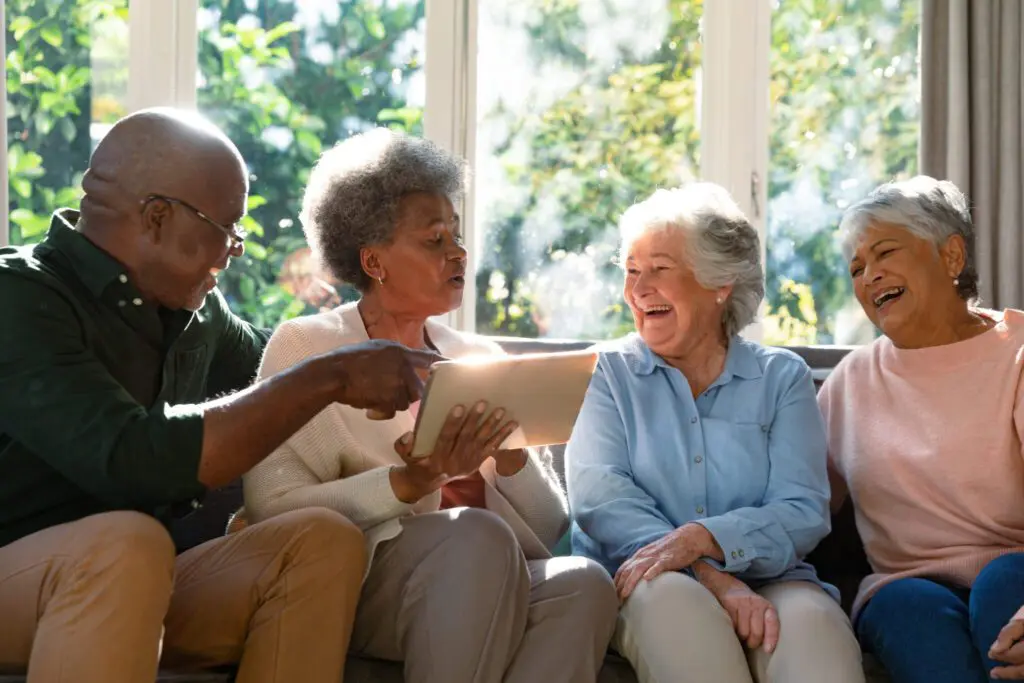
How Inclusion Strengthens Senior Living Communities
Inclusion is more than making space—it’s about intentionally shaping a culture where everyone feels welcome. Here’s how inclusion strengthens senior living communities from the inside out.
Welcoming Environment
Inclusive communities foster an atmosphere where new residents and families feel at ease. From staff greetings to orientation programs, these efforts help ensure every resident feels they belong from day one.
Diverse Programming and Activities
Inclusive programming reflects the variety of cultures and interests within the community. This could include religious services, cultural celebrations, language-specific offerings, and interest-based clubs that welcome participation from residents of all abilities.
Staff Training and Education
Ongoing training helps staff develop cultural awareness and communication skills. These tools are essential for fostering trust, offering respectful care, and celebrating each resident’s identity.
The Role of Equity in Senior Living
Equity ensures every resident has what they need to succeed—not just the same resources but also the right resources tailored to their needs. Here’s how equity supports dignity, choice, and wellness.
Fair Access to Services
Residents should be able to access care, support, and amenities, regardless of backgrounds or abilities. Equity ensures language support, physical accessibility, and inclusive service delivery.
Addressing Diverse Needs
Individualized care that reflects cultural preferences, health beliefs, and family structures supports whole-person wellness and leads to better outcomes.
Community Outreach
Engaging with the wider community helps senior living providers welcome new perspectives, reach underserved populations, and improve diversity efforts long-term.
How Senior Living Communities Can Foster Diversity, Inclusion, and Equity
Building diverse, inclusive, and equitable communities requires intention and accountability. By embracing the following strategies, communities can nurture a culture of acceptance, respect, and connection.
Intentional Hiring Practices
A diverse team not only reflects the community but also brings broader insights to resident care. Hiring with diversity in mind strengthens empathy and cultural competence across the organization.
Resident-Led Inclusion Initiatives
Encouraging residents to take the lead in cultural celebrations, support groups, and councils builds ownership, pride, and engagement in the community.
Continuous Improvement
Inclusivity is an evolving process. Communities should regularly evaluate policies, gather resident feedback, and actively embrace the feedback to foster meaningful progress.
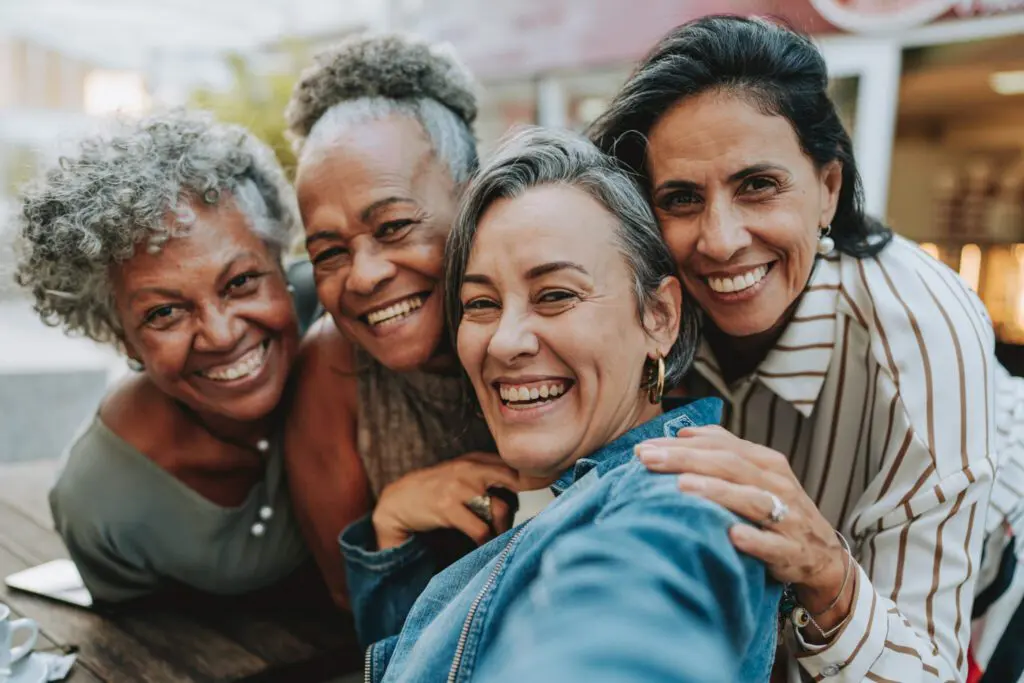
Embracing the Importance of Diversity in Senior Living at Clarendale Clayton
The importance of diversity in senior living cannot be overstated. When communities embrace inclusion and equity, they create more meaningful connections, provide better care, and foster environments where every resident can truly belong.
At Clarendale Clayton, we celebrate and embrace the unique stories and backgrounds of every resident. Discover how our inclusive community fosters connection, equity, and belonging. Contact us today to schedule a tour and experience the difference.